Hormone Support

Growth hormone and healthy aging

What actually declines with age — and what a clinician-guided plan can do about it.

August 5, 2026 8 min read
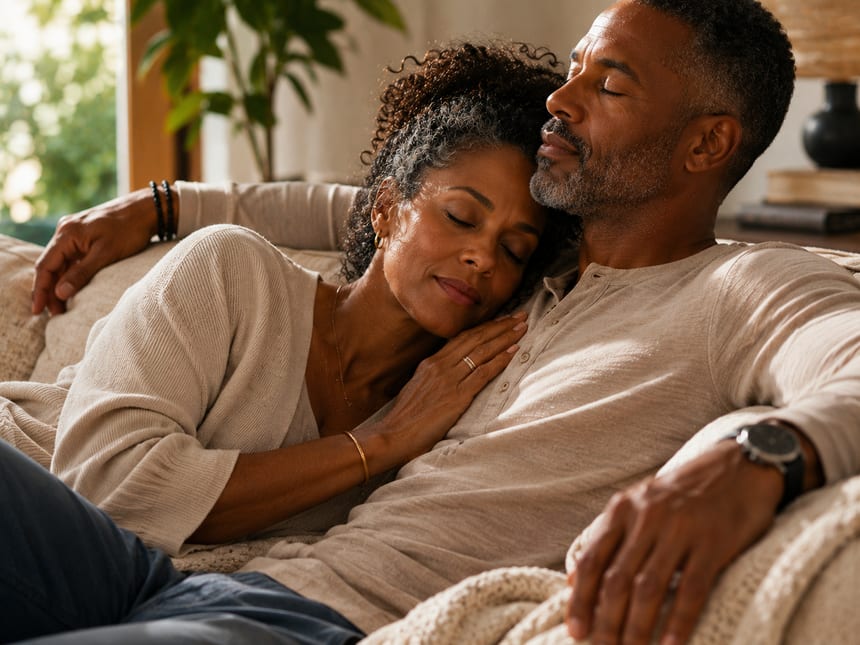
A man in his forties standing in warm morning light
Most people notice growth hormone's decline through recovery, sleep, and body composition long before they think about hormones.

Key takeaways

  • Growth hormone drives tissue repair, lean mass, and deep-sleep recovery — not just height in childhood.
  • Output falls steadily from your late twenties, roughly 10–15% per decade.
  • Peptides like sermorelin prompt your own pituitary to release GH rather than replacing the hormone.
  • Sleep, resistance training, protein and blood-sugar control all move GH on their own.
  • Any GH-related therapy belongs in a clinician-guided plan with lab work.

Most people first meet growth hormone in a middle-school biology class, filed under "how kids get taller." That framing sticks, and it's why the hormone tends to disappear from the conversation the moment you stop growing. In adults, though, growth hormone never goes off duty. It keeps running the repair crew — rebuilding muscle after training, turning over collagen in skin and tendons, mobilizing fat for fuel, and consolidating the deep sleep in which most of that work gets done.

What changes with age isn't the job description. It's the volume. And because the decline is gradual, it usually shows up as a set of small, unrelated-feeling complaints long before anyone thinks to look at a hormone panel.

Why growth hormone matters after 30

Growth hormone is released by the pituitary in pulses, mostly at night, in response to a signal from the hypothalamus called growth hormone-releasing hormone (GHRH). Much of its effect is then mediated by insulin-like growth factor 1 (IGF-1) — the marker clinicians usually measure, since it's far more stable in the blood than GH itself.

The GH/IGF-1 axis touches most of the systems people associate with feeling well:

  • Lean mass and strength. GH supports muscle protein synthesis and helps preserve the tissue that carries your metabolic rate.
  • Body composition. It promotes the release of stored fat, with a particular effect on visceral fat around the midsection.
  • Recovery and connective tissue. Collagen synthesis in skin, tendon, and joints depends on adequate GH signaling.
  • Sleep architecture. The largest GH pulse of the day arrives in the first hours of slow-wave sleep.
  • Energy and mood. Adults with clinically low GH commonly report fatigue that resolves when the axis is restored.

Healthy aging isn't about adding years in a diminished state. It's about keeping function longer.

The Everlife Clinical Team

What actually declines — and when

GH secretion peaks during puberty and then begins a long, quiet taper. From roughly the late twenties onward, most adults lose 10 to 15 percent of daily GH output per decade. By the mid-forties, total secretion can sit at a fraction of what it was at twenty.

Two things drive that drop. The hypothalamus releases less GHRH, and the pituitary cells that respond to it become less sensitive to the signal. That distinction matters: if the pituitary is still capable but under-stimulated, the goal is to restore the signal rather than bypass it.

Age-related decline is not the same as deficiency

Adult growth hormone deficiency is a specific diagnosis, usually tied to pituitary injury or disease, and it's treated with prescription HGH. The gradual decline that comes with age is a different situation — and calls for a more conservative conversation with a clinician.

The signs people notice first

Almost nobody arrives saying "I think my growth hormone is low." What they describe is a pattern that has crept up over three or four years:

  • Workouts that used to take a day to recover from now take three.
  • Weight settling around the waist with no real change in diet or training.
  • Sleep that technically lasts eight hours but doesn't feel restorative.
  • Skin that looks thinner; small injuries that linger.
  • A flatter baseline — less drive, more effort for the same output.

None of these proves anything alone. Thyroid function, testosterone, iron, sleep apnea, and simple under-recovery produce overlapping pictures — which is why the first step is lab work, not a product.
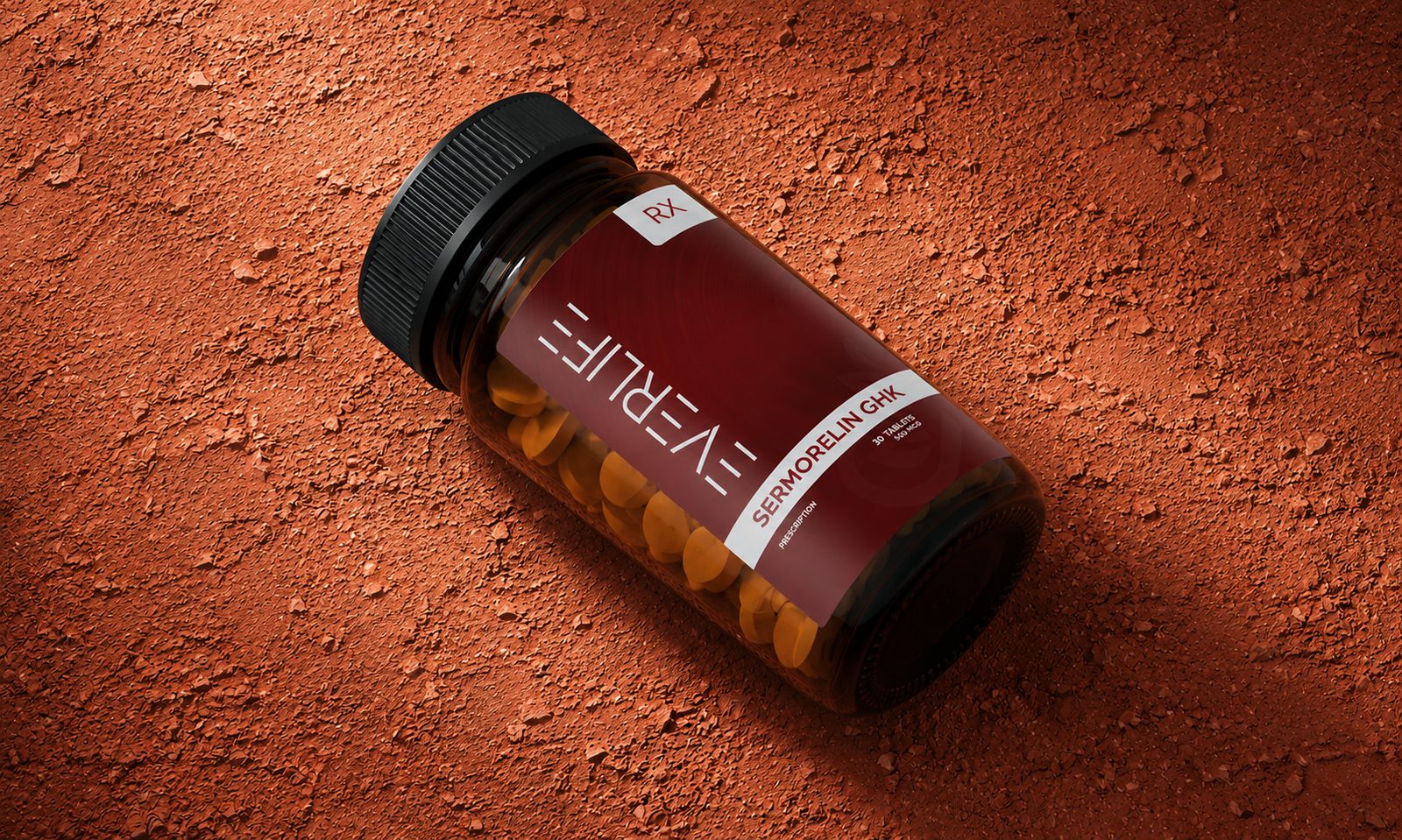
Everlife Sermorelin GHK bottle
Recovery, sleep quality, and body composition tend to shift together — they share a hormonal driver.

Sermorelin versus synthetic HGH

There are two broad ways to raise growth hormone activity, and they are not interchangeable.

Direct HGH replacement

Injected human growth hormone delivers the hormone itself. It produces the fastest changes, but it bypasses your body's own feedback. Because the pituitary senses GH is already present, it reduces its own output — suppression that can set in within weeks. For adults without diagnosed deficiency, most clinicians consider this a poor trade.

Sermorelin, a GHRH analog

Sermorelin works one step upstream. It mimics GHRH, prompting your own pituitary to release GH in its natural pulses. Feedback loops stay intact, the nightly rhythm is preserved, and there's a physiological ceiling on release — which is the point. It's restorative rather than additive, and it's why sermorelin is the more common starting point for adults focused on healthy aging.
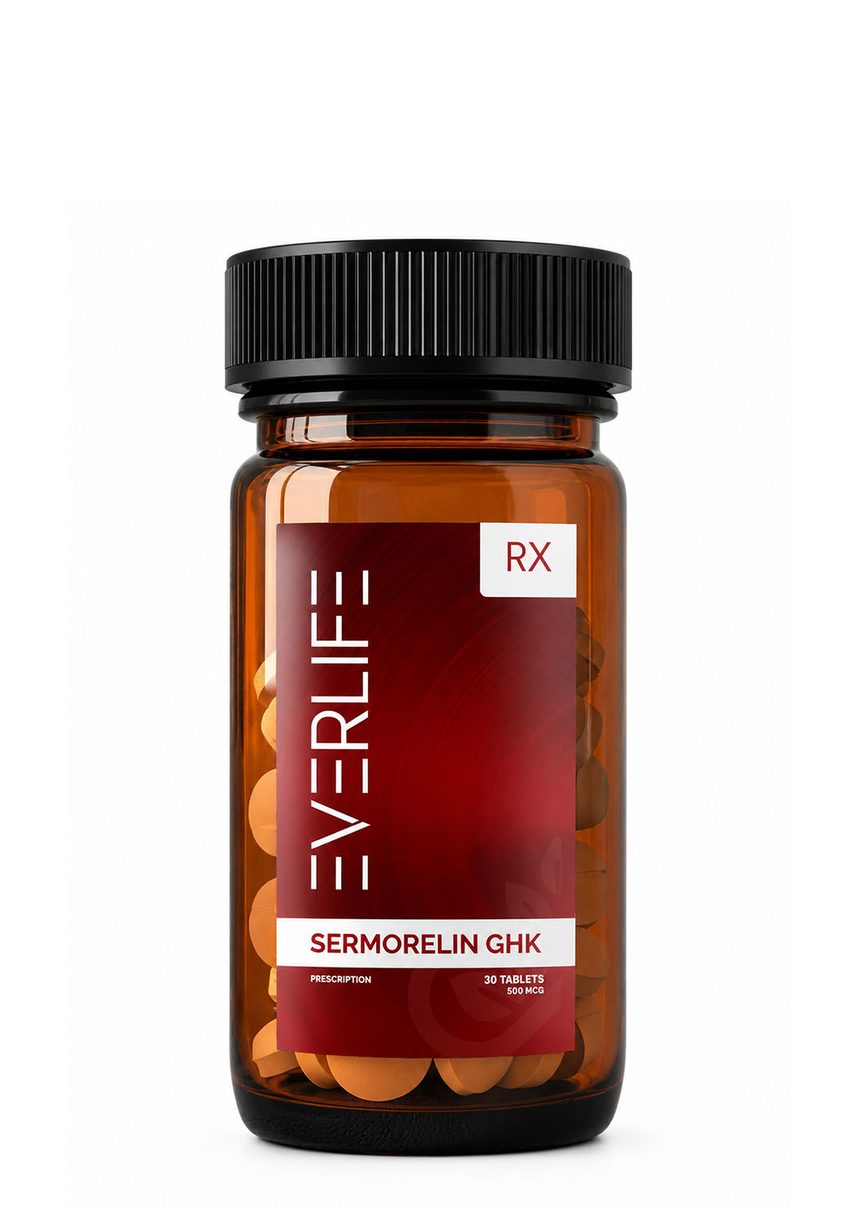
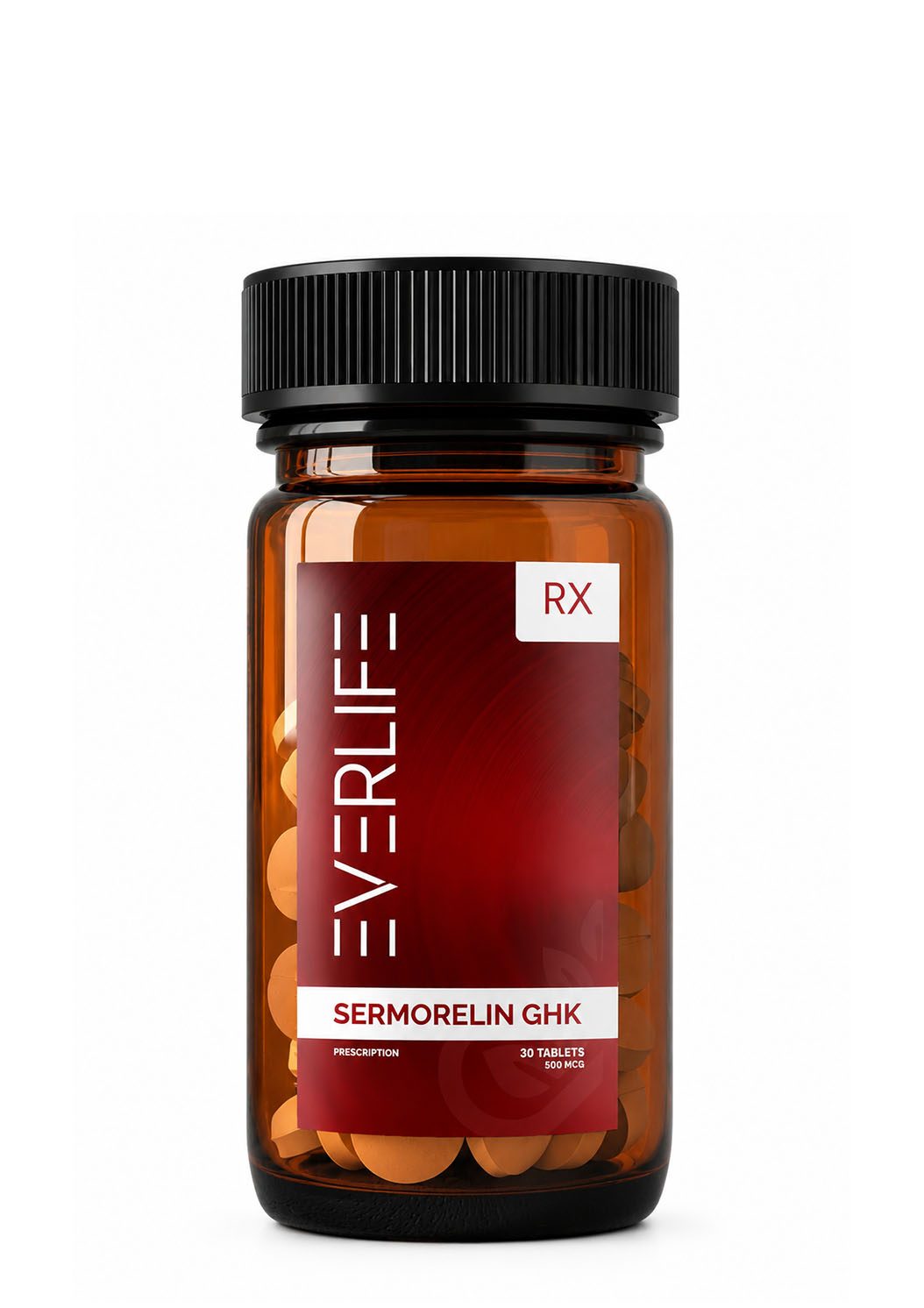
Everlife Sermorelin GHK
Hormone support · Prescription

Sermorelin GHK

Everlife's 3-in-1 peptide blend: sermorelin 500 mcg for natural GH release, GHK-Cu 2 mg for collagen renewal and tissue repair, and citrulline 50 mg for blood flow and stamina.

See the formula →

What a clinician-guided plan looks like

Peptides are prescription therapies, and the structure around them is what makes them work. At Everlife the sequence is deliberately unglamorous:

  • Intake and labs. A short online visit plus baseline blood work — IGF-1, metabolic panel, thyroid, sex hormones.
  • Clinician review. A licensed U.S. clinician reads your results against your goals and rules out what mimics low GH.
  • A plan, if appropriate. Prescribed at a conservative starting dose and filled by a partner pharmacy.
  • Follow-up. Repeat labs and a check-in — the right dose is the one your numbers and symptoms agree on.

If therapy isn't the right call, that's a legitimate outcome of the visit — and often the more useful one.

Habits that support growth hormone on their own

No prescription outperforms the fundamentals, and several everyday levers move GH measurably:

  • Protect slow-wave sleep. A consistent schedule and a cool, dark room protect the largest GH pulse. Alcohol near bedtime blunts it.
  • Train against resistance. Compound lifts and short high-intensity intervals both produce acute GH release.
  • Keep insulin low overnight. High blood sugar suppresses GH, so a large late meal works against the nightly pulse.
  • Eat enough protein. Roughly 0.7–1g per pound of bodyweight is a reasonable target for active adults.
  • Manage cortisol. Chronic stress raises cortisol, which opposes GH's effects on muscle and fat.

Is it right for you?

GH-focused therapy tends to make the most sense for adults in their late thirties through sixties who already do the basics well, whose labs show room to move, and whose goal is preserving function rather than chasing a number. It's a poor fit for anyone looking for a shortcut around sleep, training, and nutrition — the hormone amplifies good inputs, it doesn't replace them.

The honest answer is that it depends on your labs and your history, which is what the visit is for. It's free, it happens entirely online, and it ends with a clinician's read on whether this is worth your time.

Medical disclaimer. This article is for general educational purposes and is not medical advice. It does not establish a clinician-patient relationship and should not be used to diagnose or treat any condition. Talk with a licensed clinician about your own situation before starting or stopping any therapy.

Statements on this page have not been evaluated by the FDA. Prescription products require a consultation with a licensed medical professional, who will determine whether a prescription is appropriate. Results may vary.


See where your levels stand

A free online visit with a licensed clinician — labs, a real read on your results, and a plan only if it's the right call.

9:41
iPhone 17 Pro · 402 × 874 pt

Home / Blog / Hormone Support

Hormone Support

Growth hormone and healthy aging

Growth hormone shapes how you recover, how you sleep, and how your body holds its shape over time. Here's what actually declines with age — and what a clinician-guided plan can do about it.

A man in his forties standing in warm morning light
Growth hormone works quietly in the background — most people notice its decline through recovery, sleep, and body composition long before they think about hormones.

Key takeaways

  • Growth hormone drives tissue repair, lean mass, and deep-sleep recovery — not just height in childhood.
  • Output falls steadily from your late twenties, roughly 10–15% per decade for most adults.
  • Peptides like sermorelin prompt your own pituitary to release GH, rather than replacing the hormone outright.
  • Sleep, resistance training, protein intake and blood-sugar control all move GH — treatment works best on top of those.
  • Any GH-related therapy belongs in a clinician-guided plan with lab work, not a self-directed experiment.

Most people first meet growth hormone in a middle-school biology class, filed under "how kids get taller." That framing sticks, and it's why the hormone tends to disappear from the conversation the moment you stop growing. In adults, though, growth hormone never goes off duty. It keeps running the repair crew — rebuilding muscle after training, turning over collagen in your skin and tendons, mobilizing fat for fuel, and consolidating the deep sleep in which most of that work gets done.

What changes with age isn't the job description. It's the volume. And because the decline is gradual, it usually shows up as a set of small, unrelated-feeling complaints long before anyone thinks to look at a hormone panel.

Why growth hormone matters after 30

Growth hormone is released by the pituitary gland in pulses, mostly at night, in response to a signal from the hypothalamus called growth hormone-releasing hormone (GHRH). Once released, it travels to the liver and other tissues, where much of its effect is mediated by insulin-like growth factor 1 (IGF-1) — the marker clinicians usually measure, since it's far more stable in the blood than GH itself.

The GH/IGF-1 axis touches most of the systems people associate with feeling well:

  • Lean mass and strength. GH supports muscle protein synthesis and helps preserve the tissue that carries your metabolic rate.
  • Body composition. It promotes lipolysis — the release of stored fat — with a particular effect on visceral fat around the midsection.
  • Recovery and connective tissue. Collagen synthesis in skin, tendon, and joint tissue depends on adequate GH signaling.
  • Sleep architecture. The largest GH pulse of the day arrives in the first few hours of slow-wave sleep, which makes sleep and GH a two-way street.
  • Energy and mood. Adults with clinically low GH commonly report fatigue and low motivation that resolve when the axis is restored.

Healthy aging isn't about adding years in a diminished state. It's about keeping function longer — muscle, recovery, sleep, and the energy to use them.

The Everlife Clinical Team

What actually declines — and when

GH secretion peaks during puberty and then begins a long, quiet taper. From roughly the late twenties onward, most adults lose in the range of 10 to 15 percent of daily GH output per decade. By the mid-forties, total secretion can sit at a fraction of what it was at twenty.

Two things drive that drop. The hypothalamus releases less GHRH, and the pituitary cells that respond to it become less sensitive to the signal. This distinction matters, because it points to different interventions: if the pituitary is still capable but under-stimulated, the goal is to restore the signal rather than to bypass it.

Age-related decline is not the same as deficiency

Adult growth hormone deficiency is a specific diagnosis, usually tied to pituitary injury or disease, and it's treated with prescription HGH. The gradual decline that comes with age is a different situation — and it calls for a different, more conservative conversation with a clinician.

The signs people notice first

Almost nobody arrives saying "I think my growth hormone is low." What they describe instead is a pattern that has crept up over three or four years:

  • Workouts that used to take a day to recover from now take three.
  • Weight settling around the waist despite no real change in diet or training.
  • Sleep that technically lasts eight hours but doesn't feel restorative.
  • Skin that looks thinner or less elastic; small injuries that linger.
  • A flatter baseline — less drive, more effort required for the same output.

None of these is proof of anything on its own. Thyroid function, testosterone, iron, sleep apnea, and simple under-recovery all produce overlapping pictures, which is exactly why the first step is lab work rather than a product.

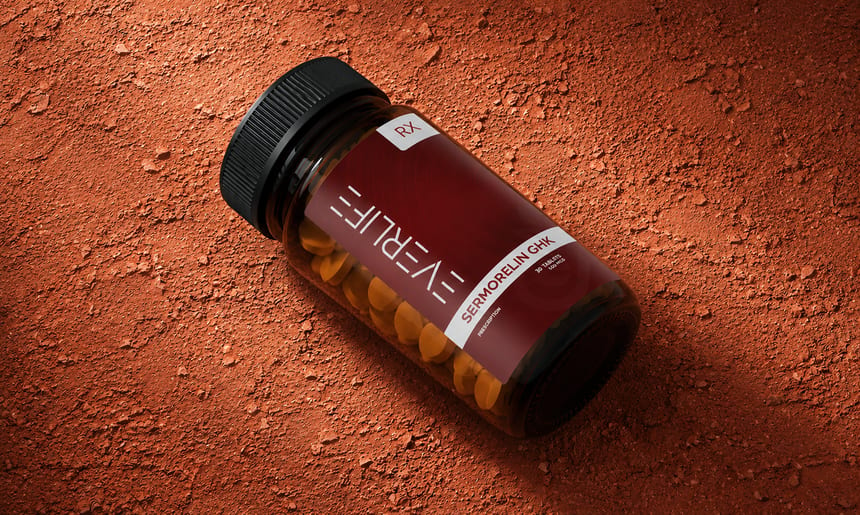
Everlife Sermorelin GHK bottle
Recovery, sleep quality, and body composition tend to shift together — they share a common hormonal driver.

Sermorelin versus synthetic HGH

There are two broad ways to raise growth hormone activity, and they are not interchangeable.

Direct HGH replacement

Injected human growth hormone delivers the hormone itself. It produces the fastest and most dramatic changes, but it bypasses your body's own regulatory feedback. Because the pituitary senses that GH is already present, it reduces its own output — and that suppression can set in within weeks. For adults who don't have diagnosed deficiency, most clinicians consider this a poor trade.

Sermorelin, a GHRH analog

Sermorelin works one step upstream. It mimics GHRH, binding to receptors in the anterior pituitary and prompting your own gland to release GH in its natural pulses. Feedback loops stay intact, the nightly rhythm is preserved, and there's a physiological ceiling on how much GH gets released — which is the point. It's a restorative approach rather than an additive one, and it's why sermorelin has become the more common starting point for adults focused on healthy aging rather than treating a diagnosis.

Everlife Sermorelin GHK
Hormone support · Prescription

Sermorelin GHK

Everlife's 3-in-1 peptide blend: sermorelin 500 mcg to support natural GH release, GHK-Cu 2 mg for collagen renewal and tissue repair, and citrulline 50 mg for blood flow and stamina.

See the formula →

What a clinician-guided plan looks like

Peptides are prescription therapies, and the structure around them is what makes them work. At Everlife, the sequence is deliberately unglamorous:

  • Intake and labs. A short online visit plus baseline blood work — IGF-1, metabolic panel, thyroid, and sex hormones — so decisions rest on data.
  • Clinician review. A licensed U.S. clinician reads your results against your goals and history, and rules out the things that mimic low GH.
  • A plan, if appropriate. If therapy fits, it's prescribed at a conservative starting dose and filled by a partner pharmacy.
  • Follow-up. Repeat labs and a check-in, because the right dose is the one your numbers and symptoms agree on.

If therapy isn't the right call, that's a legitimate outcome of the visit — and often the more useful one.

Habits that support growth hormone on their own

No prescription outperforms the fundamentals, and several everyday levers move GH measurably:

  • Protect slow-wave sleep. A consistent schedule and a cool, dark room protect the window in which the largest GH pulse occurs. Alcohol close to bedtime blunts it.
  • Train against resistance. Compound lifts and short high-intensity intervals both produce acute GH release.
  • Keep insulin low overnight. High blood sugar suppresses GH secretion, so a large late meal — especially a sugary one — works against the nightly pulse.
  • Eat enough protein. GH can only build with material available; roughly 0.7–1g per pound of bodyweight is a reasonable target for active adults.
  • Manage cortisol. Chronic stress raises cortisol, which opposes GH's effects on muscle and fat.

Is it right for you?

GH-focused therapy tends to make the most sense for adults in their late thirties through their sixties who are already doing the basics well, whose labs show room to move, and whose goal is preserving function rather than chasing a number. It's a poor fit for anyone looking for a shortcut around sleep, training, and nutrition — the hormone amplifies good inputs, it doesn't replace them.

The honest answer is that it depends on your labs and your history, which is what the visit is for. It's free, it happens entirely online, and it ends with a clinician's read on whether this is worth your time.

Medical disclaimer. This article is for general educational purposes and is not medical advice. It does not establish a clinician-patient relationship and should not be used to diagnose or treat any condition. Talk with a licensed clinician about your own situation before starting or stopping any therapy.

Statements on this page have not been evaluated by the FDA. Prescription products require a consultation with a licensed medical professional, who will determine whether a prescription is appropriate. Results may vary.
See where your levels stand

A free online visit with a licensed clinician — labs, a real read on your results, and a plan only if it's the right call.